
Intelligent Sensing in the Care of Dementia
Why Dementia
People with dementia start losing their ability to live independently as the condition progresses, forcing them to withdraw from their active role in society and workforce, eventually requiring daily assistance either at home or in nursing homes. Caregivers and doctors do not often fully understand the behavioral changes of people with dementia, preventing clinical assessment and better intervention planning.
Features
What makes Carealia’s intelligent healthcare unique

Interconnected
Carealia brings affordable, highly efficient interconnected devices in everyday healthcare. In the era of IoT, our solutions integrate a wide selection of wearable and ambient devices, allowing information exchange and interpretation.

Multi-Domain
While most healthcare solutions focus on a single aspect, such as sleep or physical activity, Carealia monitors and combines multiple life aspects in one place, providing clinicians with a holistic picture of behavioral patterns and symptoms.

Clinically Tested
Our solutions have been shown to aid in the assessment and personalized care of dementia. Four years of cross-border research validated these results in a variety of settings: clinics, research labs, nursing homes and houses, in Sweden, Ireland, France and Greece.

Fully Customizable
Every setting and individual is unique. Our consulting and adaptation services can tailor a solution to suit the needs of your clinic or home for optimal and comfortable monitoring and care.
Given our experience in smart technology and clinical research, we set off to provide affordable, smart solutions for the care of dementia, either in homes or nursing homes.
Our Team
Carealia brings people from technology and clinical research together
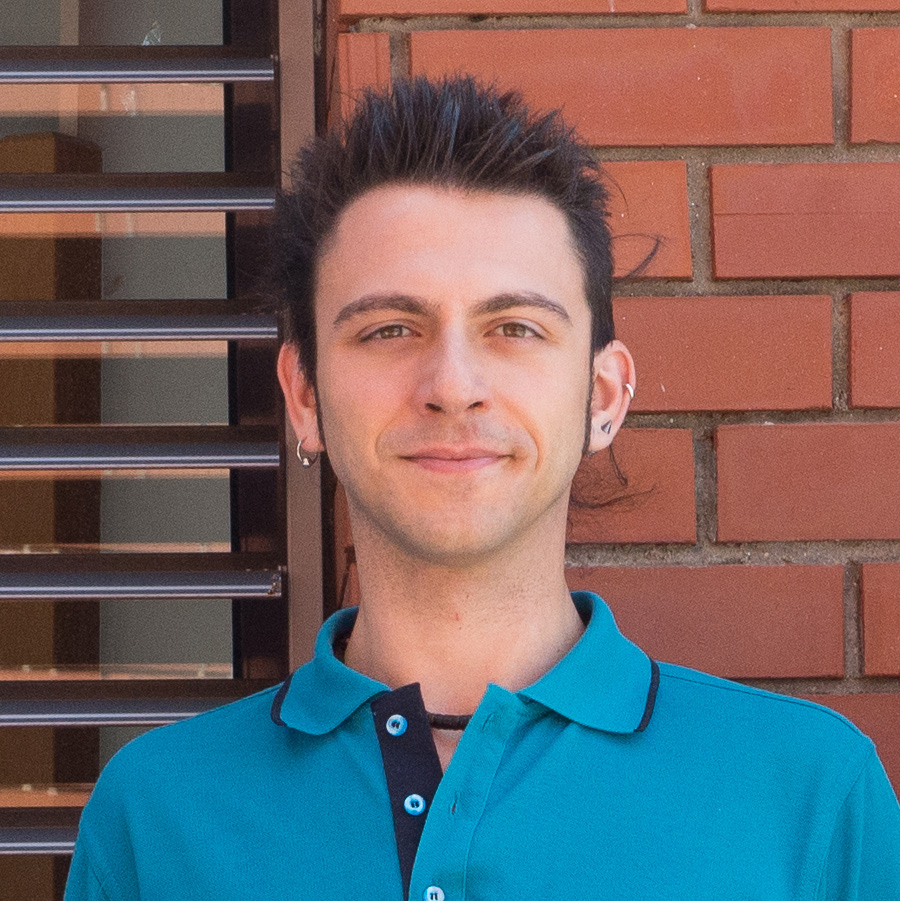
Thanos Stavropoulos
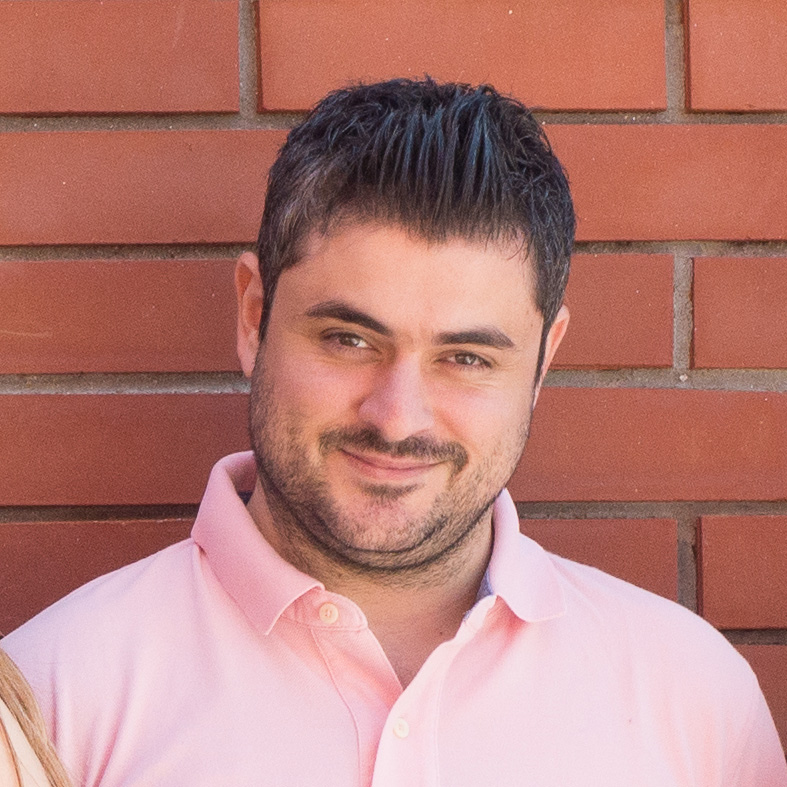
George Meditskos
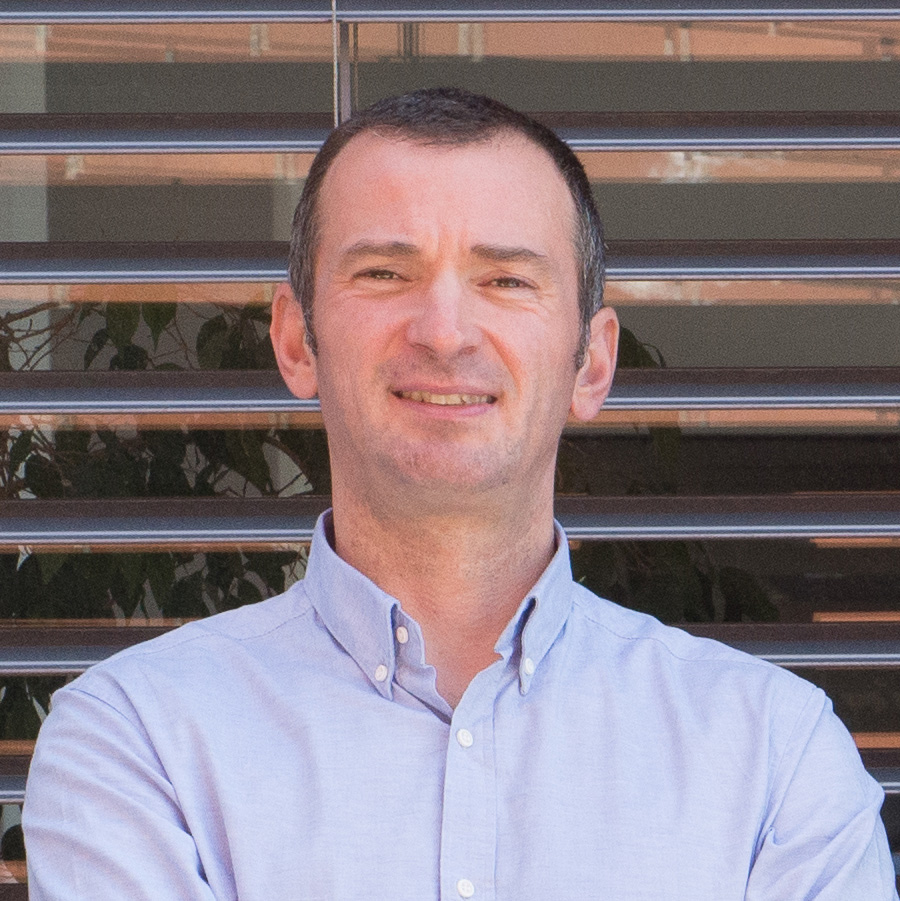
Yiannis Kompatsiaris
Dimitrios Ververidis
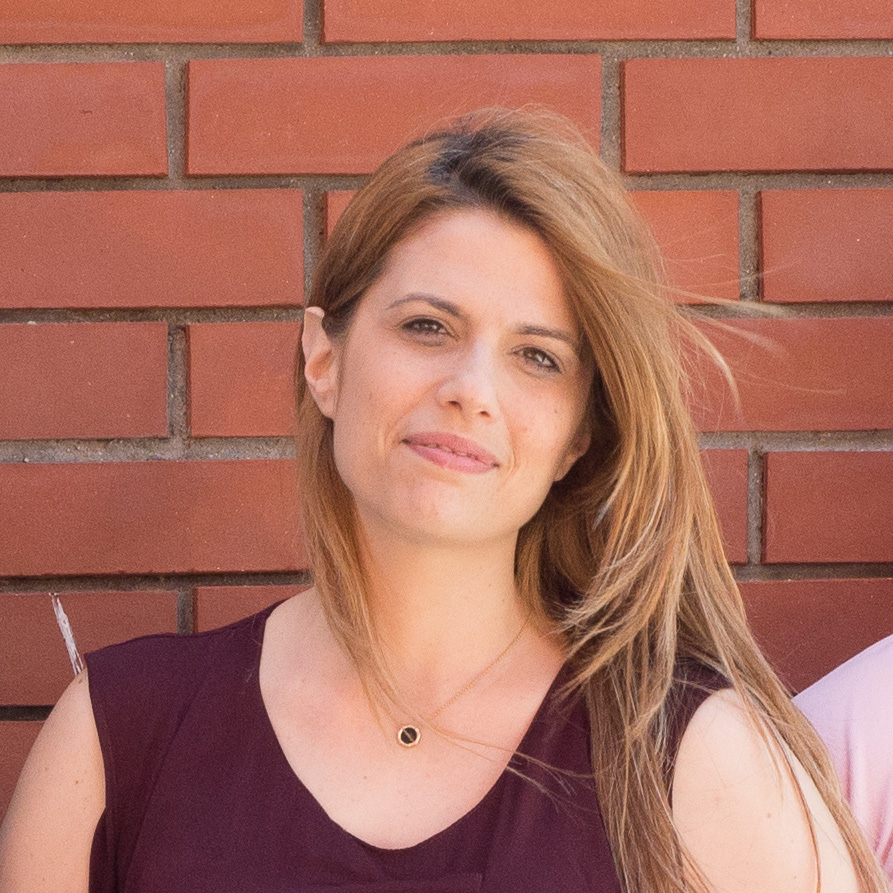
Vivi Ntrigkogia
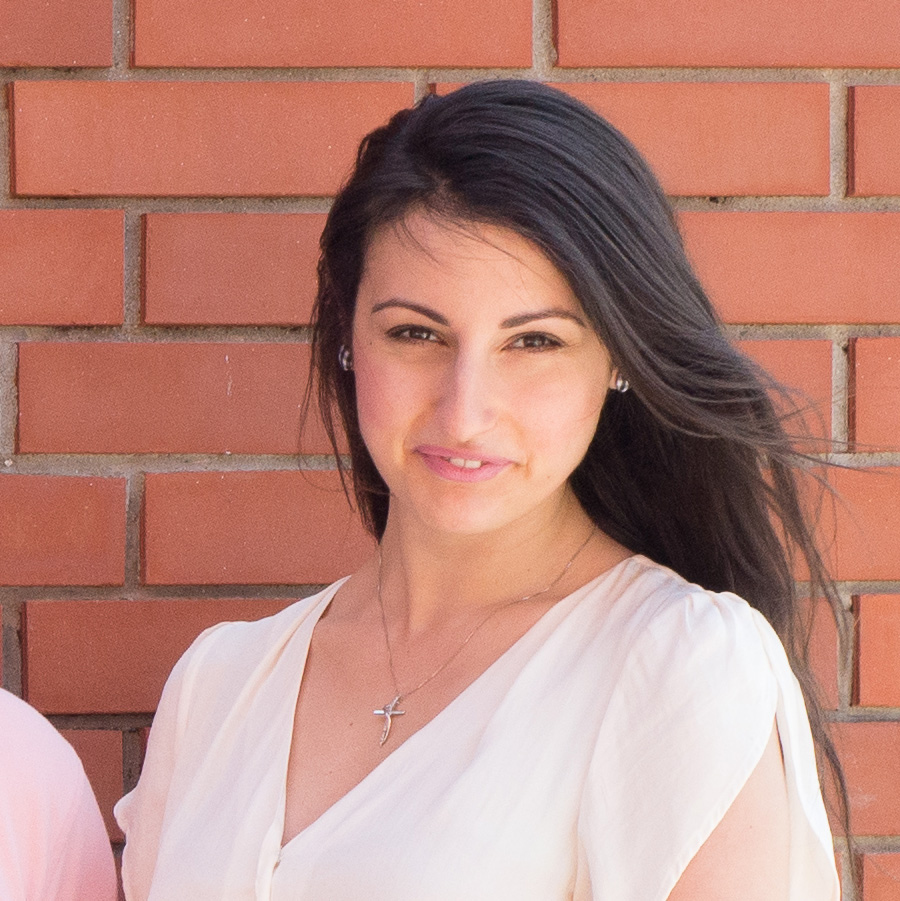
Ioulietta Lazarou
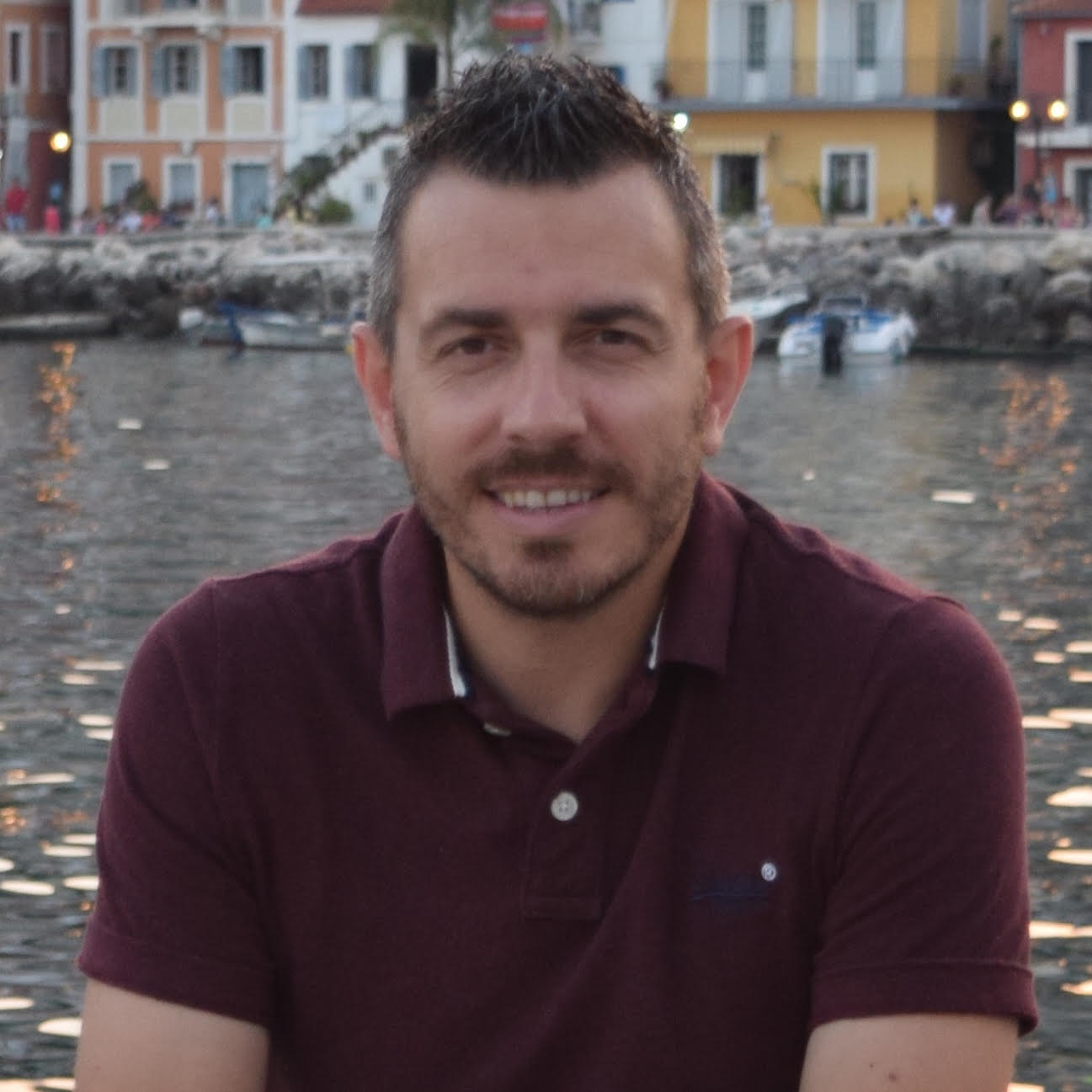
Dimitrios Tsaopoulos
Magda Tsolaki
Testimonials
I had a major problem with sleep. I noticed that if I was worried about something I would wake up a few times and could not sleep again. After all these interventions [supported by the system] I could sleep better. I could notice the improvement myself by tracking my sleep on the tablet. It feels like I am kind of “in control”. In control of my day.

In the beginning I was doubtful and double-checking to make sure that the system’s indications about my mother’s behaviour and symptoms are correct. I would double check for actual sleep deprivation and stress signs, then I saw from the system that indeed they were there. I realized that this was the solution I was looking for. It would help me solve my problems. Then the clinical interventions took place and she actually started remembering things like taking pills on a regular basis. I feel very safe and sound now.

My involvement in this program came the exact time when I desperately needed help, due to my major problem with my memory. I was scared that I was losing my mind. Now I am well. [During the program] I was tracking my progress by myself on the tablet. I used to be a physician but I couldn’t imagine that I would take part in my own health management and treatment without actual medication. This works.
To be honest in the beginning I couldn’t believe that my father’s condition could improve in such a short period. I was about to hire a full-time caregiver for him. I cannot describe with words exactly the [comforting] feeling of being at work in the morning and have full access all day, from the tablet, to see how he slept, what he did, if he is ok etc. It is a feeling of safety and relief that every caregiver of an elder must have.